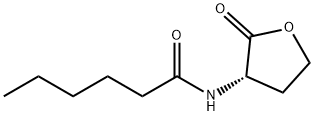
Quorum sensing is a regulatory system used by bacteria for controlling gene expression in response to increasing cell density. A promising field of study involves controlling bacterial infections by quenching their quorum sensing systems. The expression of specific target genes, such as transcriptional regulators belonging to the LuxIR family of proteins, is coordinated by synthesis of diffusible acylhomoserine lactone (AHL) molecules. N-hexanoyl-L-Homoserine lactone is a small diffusible signaling molecule involved in quorum sensing, controlling gene expression, and affecting cellular metabolism. The diverse applications of this molecule include regulation of virulence in general and in cystic fibrosis, infection prevention, slime and biofilm reduction in commercial agriculture and aquaculture industries, food spoilage prevention, and septicemia in fish.
??
Hexanoyl-L-homoserine lactone is an active quorum sensing modulator first recognised in Rhizobium leguminosarum. Hexanoyl-L-homoserine lactone and other acylhomoserine lactones have been detected in hundreds of bacterial species and, while the homologues vary between species and strains, the homoserine lactones are the major chemical modulators of within and between cell communication and regulation. The most significant variable defining the function of the homoserine lactone is the length of the acyl chain, with shorter chains displaying opposing actions to the longer chains.
?? ??
N-Hexanoyl-L-homoserine lactone is produced and utilized by various Gram-negative bacteria as a quorum sensing (QS) signal molecule.