


Effect of glufosinate ammonium on environment
Mar 29,2022
Introduction
Glufosinate ammonium is a broad-spectrum contact killing herbicide with the chemical formula c5h15n2o4p and the amount of chemical formula 198.16. It has the characteristics of wide herbicidal spectrum, low toxicity, high activity and good environmental compatibility[1]. The melting point of glufosinate ammonium is 210 ℃.
Properties
Glufosinate ammonium, also known as glyphosate, is chemically called 4 - [hydroxy (methyl) phosphonyl] - DL homoalanine or 2-amino-4 - [hydroxy (methyl) phosphonyl] ammonium butyrate[2]. It is white crystal with slight odor. The melting point is 210 ° C and the boiling point is 519.1 ° C at 760 mmHg. It is easily soluble in water. At 22 ℃, its solubility in water is 1370g / L, which is low in common organic solvents.
Glufosinate ammonium is chiral and usually produces L-type and D-type racemates. Subsequent studies found that only l-glufosinate ammonium has herbicidal effect, while D-type has almost no activity. If the product with only l-glufosinate ammonium pure optical isomer is made and used, the dosage of glufosinate ammonium can be reduced by half, the economy can be improved, the use cost can be reduced and the environmental pressure can be reduced.
The main dosage form of glufosinate ammonium is solution agent (water agent). Glufosinate ammonium preparations reported abroad have four specifications of water agents: 60, 120, 150 and 200g / L, and the trade name is basta. According to the content of glufosinate ammonium, the existing domestic processing preparations can be divided into five kinds of water agents: 6%, 12%, 13.5%, 15% and 20%. Taking 13.5% glufosinate ammonium as an example, the best formula is 13.5% glufosinate ammonium, 5% silwet618, 10% ammonium sulfate, 0.5% polyvinyl alcohol, 0.2% defoamer sag622, and finally add water to 100%.
Development
Glufosinate ammonium is a broad-spectrum contact killing herbicide successfully developed by the former German AGF company (later belonging to Bayer company) in the 1980s. Glufosinate ammonium belongs to phosphonic acid herbicides, which can inhibit glutamine synthetase in plant nitrogen metabolism pathway, thus interfering with plant metabolism and causing plant death.
Glufosinate ammonium has the characteristics of wide herbicidal spectrum, low toxicity, high activity and good environmental compatibility. Its active effect is slower than paraquat and better than glyphosate. As a non selective herbicide coexisting with glyphosate and paraquat, it has broad application prospects. Many weeds are sensitive to glyphosate and can be used as a substitute for glyphosate in areas where glyphosate is resistant.
Degradation and residue
Glufosinate ammonium can rapidly fail through microbial degradation in soil, produce 3 - (methylphosphatidyl) propionic acid (MPP) and 2 - (methylphosphatidyl) acetic acid (MPA) and release carbon dioxide. In most soils, the leaching does not exceed 15 cm. The content of soil available water and soil oxygen content have a certain impact on the adsorption and degradation of glufosinate ammonium. The degradation half-life (DT50) of glufosinate ammonium is 4 ~ 10 days.
Effects of glufosinate ammonium on soil
Glufosinate ammonium can have a certain impact on some microorganisms in soil. The effects of different concentrations (0, 2, 4, 6 and 8L / hm2) of glufosinate ammonium on the number of soil microorganisms (bacteria, actinomycetes and fungi) and the activities of soil enzymes (catalase, phosphatase, urease and dehydrogenase) in wheat field increased first and then decreased. When the application amount of glufosinate ammonium was 6L / hm2, the total amount of microorganisms reached the highest. Among them, the number of bacteria and actinomycetes increased compared with the control, while the number of fungi did not change significantly. Under the treatment of low concentration (2, 4 and 6L / hm2) of glufosinate ammonium, the measured soil enzyme activity increased with the increase of glufosinate ammonium application, while under the treatment of high concentration (8L / hm2), the enzyme activity was inhibited.
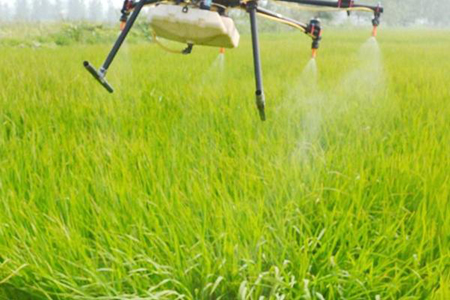
Picture 1 Spraying glufosinate ammonium in the field
Effect of glufosinate ammonium on water environment
Due to the excellent solubility of glyphosate in water, the slow hydrolysis and photolysis process in the water environment, and easy flow and transfer in the environmental medium, it has been classified as a mobile persistent pollutant by the U.S. Environmental Protection Agency. The acute toxicity test results of aquatic organisms showed that the EC50 or LC50 of glufosinate ammonium to Chlorella, Daphnia magna and zebrafish were greater than 100mg / L, which belonged to low toxicity compounds. Therefore, glufosinate ammonium will not have a significant impact on the balance of aquatic ecosystem in the short term, while the impact on the reproduction and offspring growth of aquatic organisms when it exists in water for a long time needs to be further studied.
Reference
1 Study on Toxicokinetics of glufosinate in rats. China knowledge network. 2012
2 Progress and application of non selective herbicides (Part 2), VIP. 2011
- Related articles
- Related Qustion
- Glufosinate-Ammonium: Discovery and Physicochemical Properties Oct 22, 2024
Glufosinate-ammonium is a highly effective herbicide, which is predominantly consumed in the regions located in the USA, China, Europe, Northeast Asia and South America.
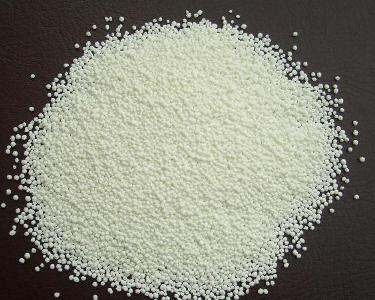
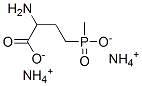
Glufosinate-ammonium
77182-82-2You may like
Glufosinate-ammonium manufacturers
- Glufosinate-ammonium
-

- 2026-07-20
- CAS:77182-82-2
- Purity: 0.99
- Glufosinate ammonium
-

- $31.00
- 2026-07-15
- CAS:77182-82-2
- Purity: 99.91%
- Supply Ability: 10g
- Glufosinate ammonium
-

- 2026-07-14
- CAS:77182-82-2
- Min. Order: 1kg
- Purity: 97%
- Supply Ability: 20000